

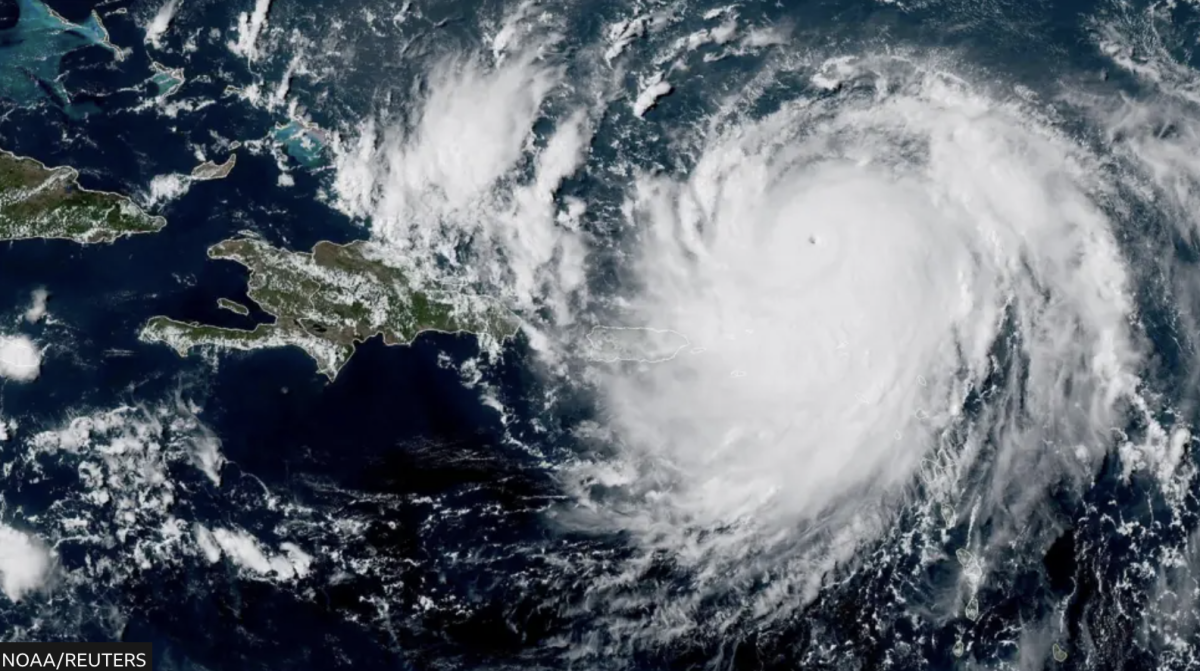
This year, the folks who track the weather are saying we’ll probably have a pretty chill Atlantic Hurricane season, according to the BBC. It looks like a thing called El Niño is the main reason why.
The big weather agency, NOAA, even put out their prediction for 2026 and gave it a 55% chance of being a quieter-than-usual season. They’re guessing we’ll see somewhere between eight and 14 storms that get strong enough to be called tropical storms. Out of those, maybe three to six could turn into hurricanes, and just a handful, like one to three, might become major hurricanes (that’s category three or higher). Just to give you some perspective, a typical hurricane season usually has about 14 named storms, seven of which become hurricanes, and three of those hit major status. And get this, they aren’t called hurricanes everywhere! They’re known as typhoons in East Asia and cyclones down in Australia and the Indian Ocean.
Now, why the prediction for fewer storms? Well, even though the Atlantic Ocean’s surface is expected to be warmer than usual, which usually fuels hurricanes, this El Niño thing can actually counteract that. El Niño is basically a weather pattern where the usual Pacific winds get a bit lazy or even flip, causing warm water to gather near the Americas. This can really shake up weather patterns everywhere, including the Atlantic. It can create stronger upper-level winds, called wind shear, which are like a hurricane’s worst enemy because they can rip storms apart before they even get going. So, even with cozy warm waters, El Niño might make it tough for a lot of hurricanes to get their act together this year.
But here’s the important part, and forecasters always stress this: even if it looks like a slow season, you can’t let your guard down. Hurricanes are no joke – they can cause serious damage with strong winds, tons of rain, and flooding, especially near the coast. Even if there are fewer storms overall, one big one can still be absolutely devastating. They point to Hurricane Andrew back in 1992. It happened during a less active season, but it ended up being one of the most destructive and costly storms ever to hit the US. The head of NOAA’s National Weather Service, Ken Graham, put it perfectly: “it only takes one storm to make for a very bad season.” So, it’s always smart to be ready.
The busiest part of the season is usually in September, but they can pop up anytime between June and November. While forecasters use tons of data and computer models to make these predictions, Mother Nature is always a bit unpredictable. So, even though this year’s season might seem calmer on paper, it’s still a really good idea to stay prepared and keep an ear out for what the meteorologists are saying.