


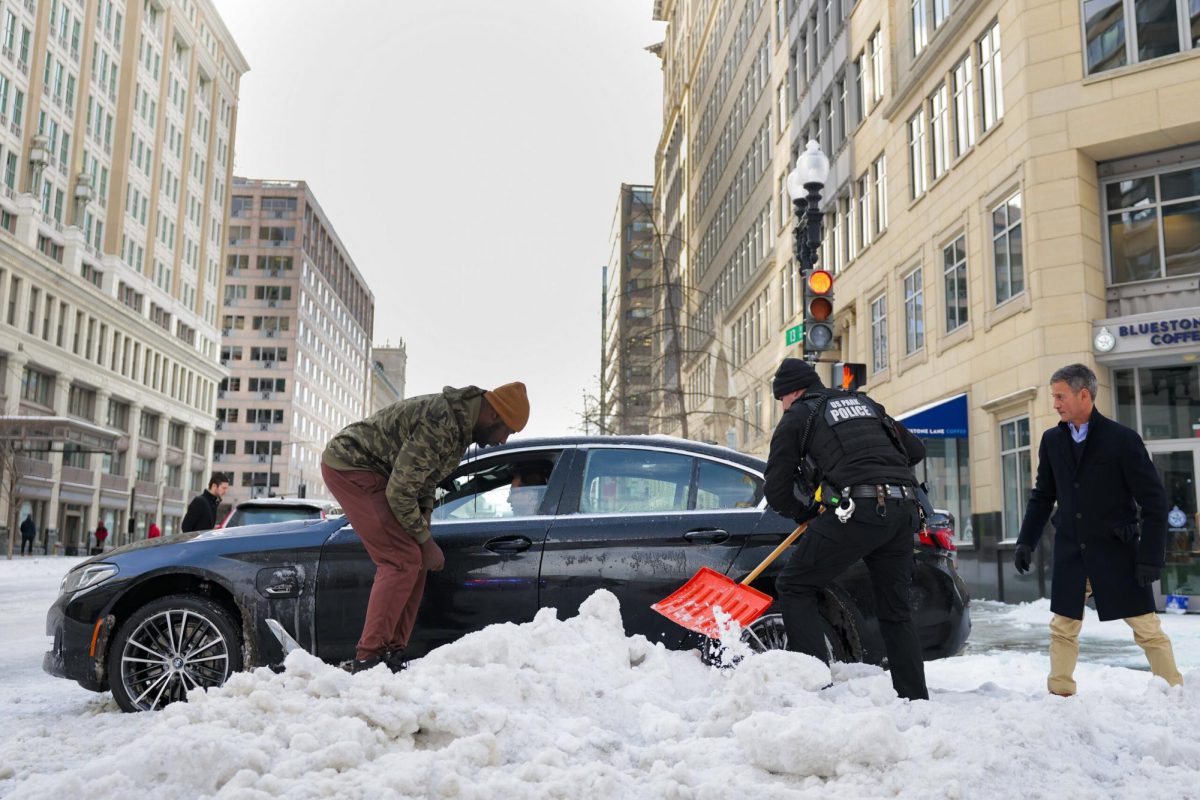
On January 18, 2026, a powerful winter storm barreled across the northeastern United States, dumping heavy snow, whipping up coastal winds, and leaving hundreds of thousands of residents facing power outages as crews worked to restore essential services.
The system moved north from the Mid-Atlantic late Friday before intensifying over the Northeast, according to the National Weather Service. Forecasters warned that a combination of snow, ice, and strong gusts would create hazardous conditions, particularly in urban corridors where travel demand remained high despite the storm.
According to NBC4, in major cities on the East Coast, officials temporarily suspended bus routes and urged residents to avoid unnecessary travel as plows struggled to keep pace with snowfall. Highways experienced multi-vehicle accidents and airports announced widespread delays and cancellations. The coast is still frozen in the “snowcrete“; lingering much longer than anticipated.
Utility companies across the region said ice accumulation on power lines and falling tree limbs were the primary causes of outages. Emergency shelters were opened in several communities to assist residents without heat as temperatures dropped overnight. Governors in multiple states declared states of emergency, allowing them to mobilize National Guard units and expedite aid.
Meteorologists noted that while winter storms are common in January, the strength of this system stood out due to its rapid intensification and broad geographic reach. Climate researchers cautioned that such volatile weather patterns may become more frequent, stressing the importance of resilient infrastructure and emergency preparedness.