


Memorial Day just passed. Let’s talk about it.
Memorial Day is held on the last Monday of May every year, and it is a day to honor those who have died in Military Service. According to History.com, Memorial Day initially honored those who passed away during the Civil War; “It is unclear exactly where this tradition originated; numerous different communities might have independently initiated the memorial gatherings. Some records show that a group of formerly enslaved people in Charleston, South Carolina, organized one of the earliest Memorial Day commemorations less than a month after the Confederacy surrendered in 1865.”
During World War I, the United States found itself entangled in another major conflict, and the holiday grew to commemorate American military personnel who died in all wars. Now, this included fallen soldiers from World War II, Vietnam War, the Korean War, and the wars in Iraq and Afghanistan. Memorial Day unofficially marks the beginning of summer, and it became a federal holiday across the country in 1971.
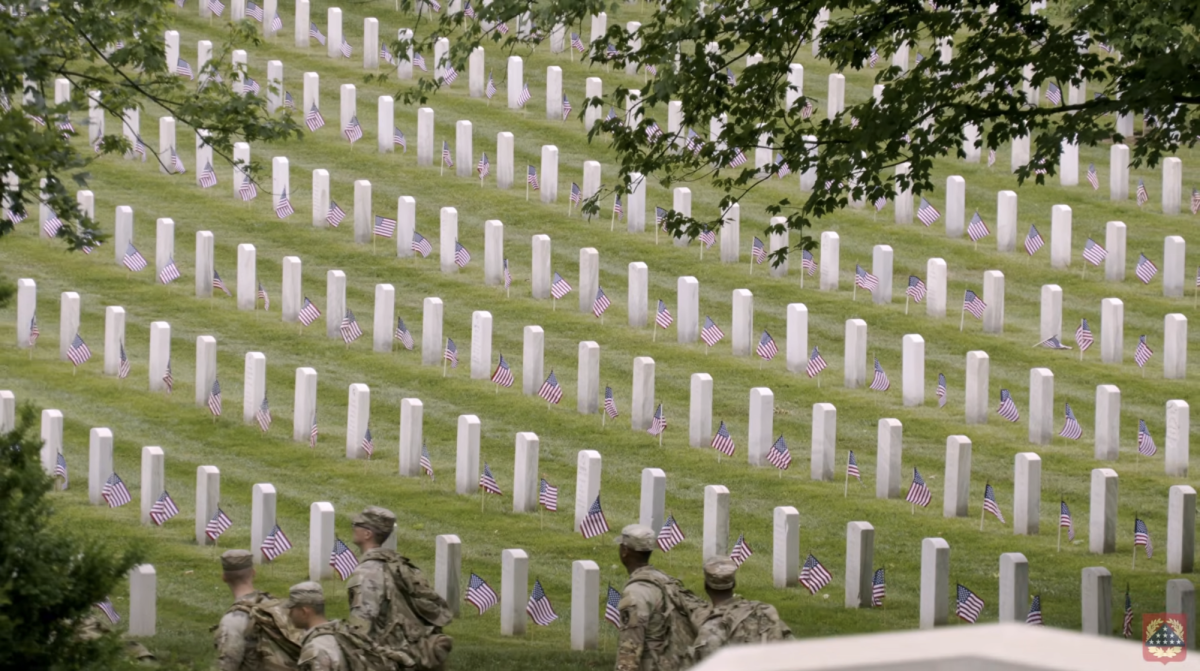
As for traditions, many parades are hosted across the United States, incorporating military personnel and members of veterans’ associations. The biggest parades mainly happen in Washington D.C., Chicago, and New York (History.com). Many Americans also visit cemeteries and decorating graves with flowers and flags to honor fallen soldiers, wear a red poppy in remembrance of those who are gone, and on a lighter note, take weekend trips or host parties.
Ultimately, Memorial Day has a duality: solemn remembrance and vibrant celebration. It’s a day where the heavy history of war and loss meet the bright beginnings of summer and sun. Whether Americans choose to host a backyard party, wear a red poppy, or visit a memorial with their loved ones, the holiday serves as a vital annual reminder: the freedoms enjoyed during the warmest months of the year were bought by those who never made it home.